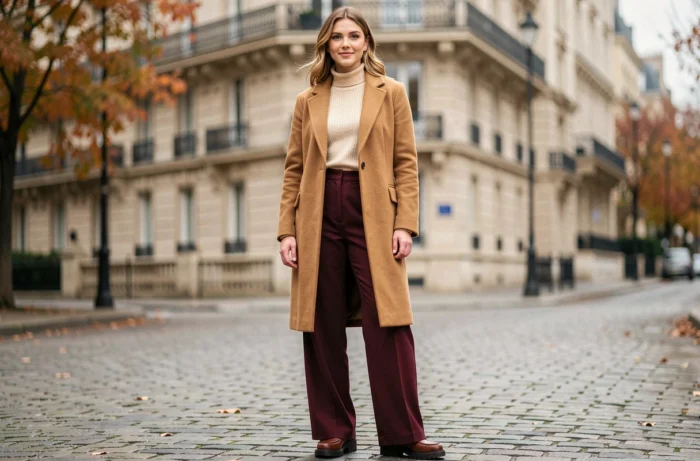
The autumn-winter 2026 collections reveal a structural shift in fashion. The assortments of mass market and mid-market brands are incorporating more premium basics, while the second-hand market continues to grow. Identifying the fashion trends of this season requires looking beyond just colors and cuts to understand what is permanently changing wardrobes.
Premium Basics and Price Increases: What the Autumn 2026 Assortments Measure
An analysis by Retviews by Lectra on the spring-summer 2026 collections in Europe and the United States shows that premium basics now dominate product ranges. The growth particularly concerns t-shirts and denim, with a structured price increase in the mass market and mid-market.
This price repositioning does not reflect a temporary inflation. Retviews emphasizes that 2026 marks a turning point towards purchasing more qualitative, durable, and versatile pieces, with consumers directing their spending towards long-term value rather than frequent renewal.
A PwC report confirms this dynamic: more than 80% of consumers are willing to pay more for products made in Europe. Traceability and manufacturing standards now weigh in the purchasing decision, even for basic pieces like a knit sweater or straight-leg trousers.
To follow fashion trends on Pingoo, this upgrading of basics is a strong signal that goes beyond the simple question of seasonal style.
| Segment | 2026 Assortment Evolution | Dominant Purchasing Logic |
|---|---|---|
| Mass market | Price increase, growth of basics | Fewer pieces, better perceived quality |
| Mid-market | Sustainable upgrading in denim and knitwear | Versatility and durability |
| Premium | Price stability, focus on European traceability | Local manufacturing, certified materials |
Second-Hand and Circular Fashion: A Market Influencing Autumn-Winter Trends
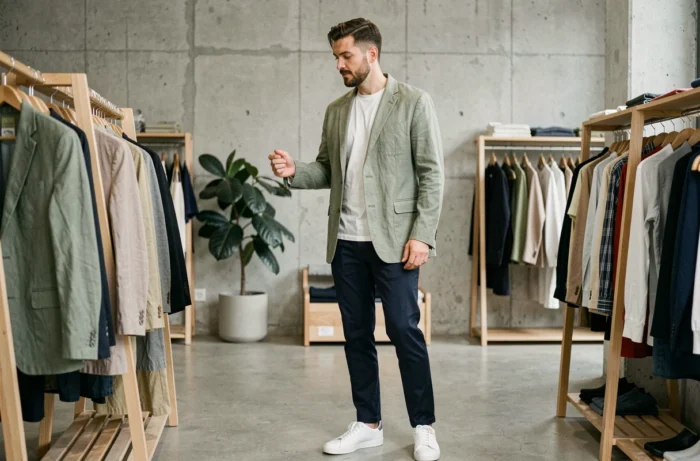
The global second-hand fashion market has reached a milestone. According to ThredUp data cited by several industry analyses, this segment is expected to reach around $350 billion by 2028, driven by the rise of online platforms.
This expansion is concretely changing the notion of seasonal trends. As an increasing share of fashion purchases goes through resale, the pieces that circulate best are those that maintain their stylistic relevance over several seasons. The structured blazer, straight jeans, and midi dress: these silhouettes are found in both new collections and on resale platforms.
The integration of second-hand items into traditional circuits is also accelerating. Several mid-market brands now offer their own resale spaces, blurring the line between new and second-hand. For the autumn 2026 style, this convergence reinforces the predominance of classic cuts and materials resistant to aging.
Seasonal Colors and Materials: Burgundy, Thick Knitwear, and Tactile Textures
The autumn-winter 2026 fashion shows confirm the dominance of burgundy as a key color. Competitors have extensively documented this, but the analysis of assortments reveals a less visible point: burgundy functions as a seasonal neutral, replacing black in everyday looks.
Three material trends emerge from the collections this season:
- Thick knitwear (ribbed sweaters, oversized vests) aligns with the logic of premium basics, featuring denser yarns and refined finishes that justify a price repositioning
- Leather and its plant-based alternatives appear in structuring pieces (short jackets, midi skirts), with an emphasis on traceability of tanning processes
- Tactile textures (corduroy, boiled wool, reimagined tweed) respond to a demand for materials that are visually perceived as durable and comfortable
The choice of materials directly reflects the shift towards “less but better.” A thick knit sweater made in Europe costs more upfront, but its cost per wear decreases significantly over several seasons.
Key Autumn 2026 Silhouettes: What Purchase Data Prioritizes
Trendalytics reports on summer 2026 identify a continuity between summer silhouettes and those for the fall. The barrel jean, highly sought after in spring-summer, remains in purchase queries for autumn. The straight and slightly flared cut is suitable for layering with tucked-in sweaters or structured jackets.
The blazer remains the most versatile piece in the autumn wardrobe. Its constant presence in new collections and on resale platforms makes it a marker of the current fashion trend: versatility takes precedence over novelty.
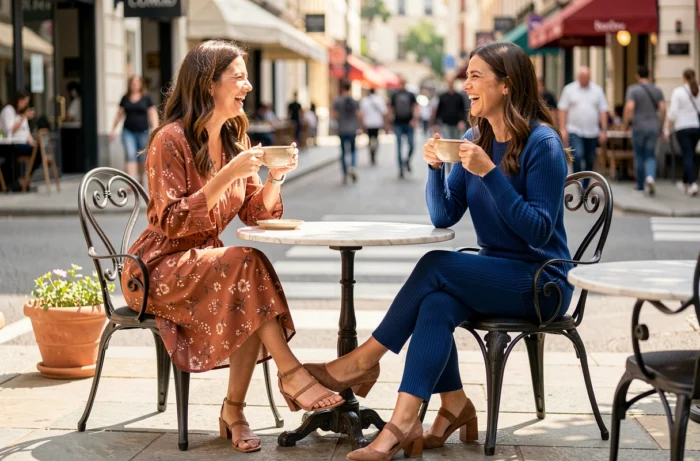
Long-sleeved dresses, worn with high boots, constitute another strong silhouette of this season. Their success can be attributed to their ability to function alone or in layers, aligning with the logic of a streamlined wardrobe confirmed by consumption data.
Embracing 2026 Fashion Trends on a Controlled Budget
The upgrading of basics does not mean that the fashion budget is exploding. Consumers who prioritize quality are reducing the number of pieces purchased each season. The trade-off is made on three concrete criteria:
- Cost per wear (a piece worn twice a week for three years costs just a few cents per use)
- Compatibility with the existing wardrobe (a burgundy item pairs well with navy, gray, beige, and black)
- Resale value (pieces in good condition and classic cuts resell easily in the second-hand market)
Investing in five durable pieces rather than fifteen disposable ones summarizes the logic that runs through all the trends of this autumn-winter 2026. Consumption data, brand assortments, and the growth of resale converge towards the same conclusion: the fashion of this season rewards style consistency rather than accumulation.